Annapurna Region
Gurung Trekking Village Culture
Above Pokhara, the trekking villages of the Annapurna foothills preserve a distinct stone-and-slate Gurung architecture and a clan-based rodhi ghar tradition, community houses that once served as courtship and storytelling halls for unmarried youth. Ghandruk in particular carries a strong Gurkha-regiment veteran history alongside its trekking-trail role.
Festivals
Tamu Lhosar · December
Best Time to Experience
October and November, when the main autumn trekking season overlaps with harvest-time village life.
Food
Dhido, a thick millet or buckwheat porridge eaten by hand with gundruk, is the everyday staple on these routes, alongside tongba, hot fermented millet beer sipped through a bamboo straw in the evening cold.
Food Guide
Dhido
Thick millet or buckwheat porridge, hill Nepal's staple carbohydrate.
Where to try: Village teahouses throughout the Annapurna foothills.
VeganVegetarianGluten Free
PRO members see local tips and insider recommendations.
Gundruk
Fermented dried leafy greens, eaten as a pickle or soup.
Where to try: Any hill village teahouse, usually served alongside dal bhat or dhido.
VeganVegetarianGluten Free
Tongba
Hot fermented millet beer, sipped through a bamboo straw.
Where to try: Village teahouses across the Annapurna foothills, especially in the evening.
VeganVegetarian
Where to Experience It: 2 Destinations
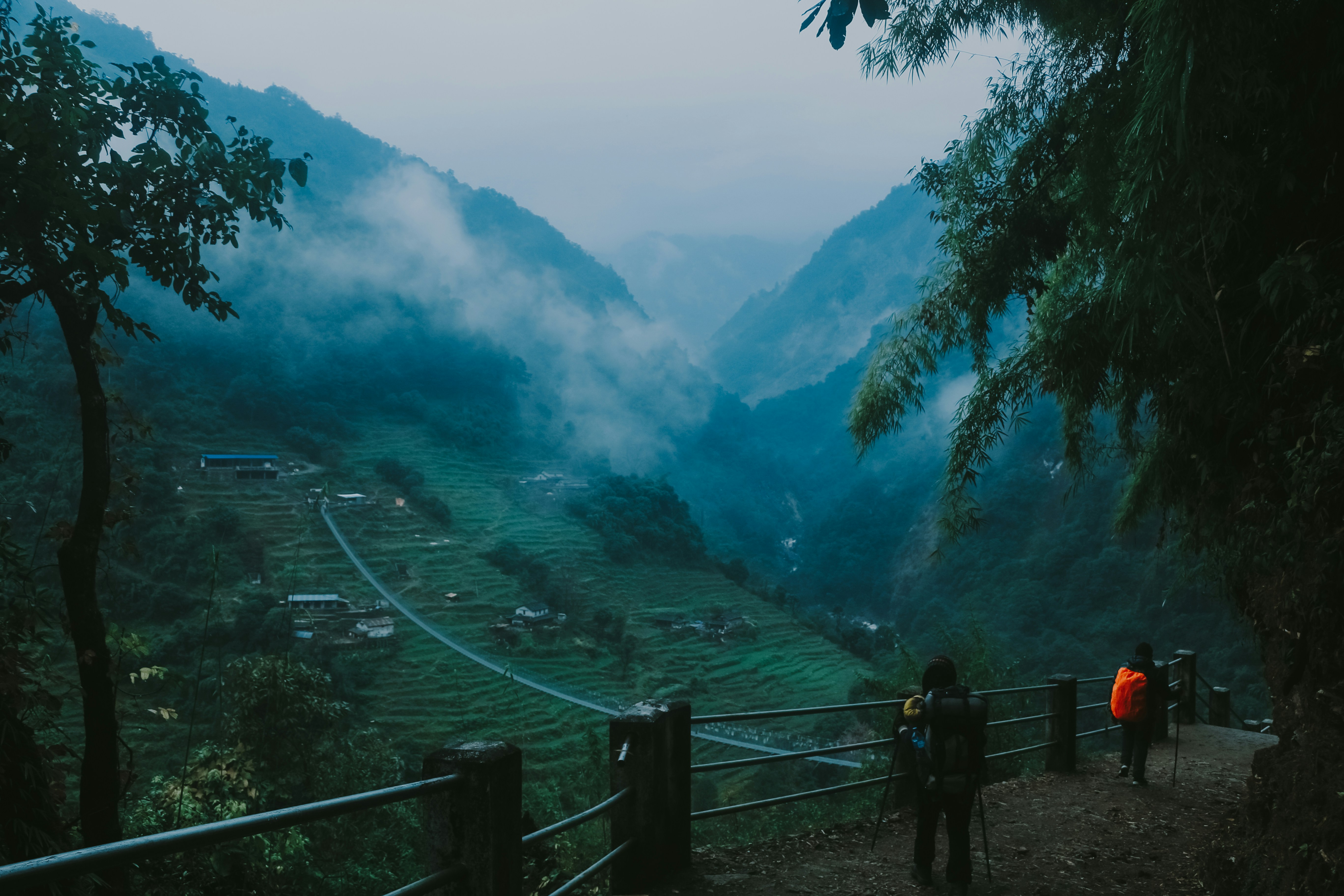
Ghandruk
1,940mAnnapurna Region
A stone-roofed Gurung village terraced into the hillside two days' walk, or one long day, from Pokhara, with Annapurna South and Machhapuchhare filling the skyline above the rooftops. It works as a short trek in its own right or the first stop on the way to ABC. The Gurung Heritage Museum and the village's own war-veteran history give it a cultural depth most trailhead villages don't have.
PhotographyCulturalTrekking
ModerateSpring · Autumn · Winter
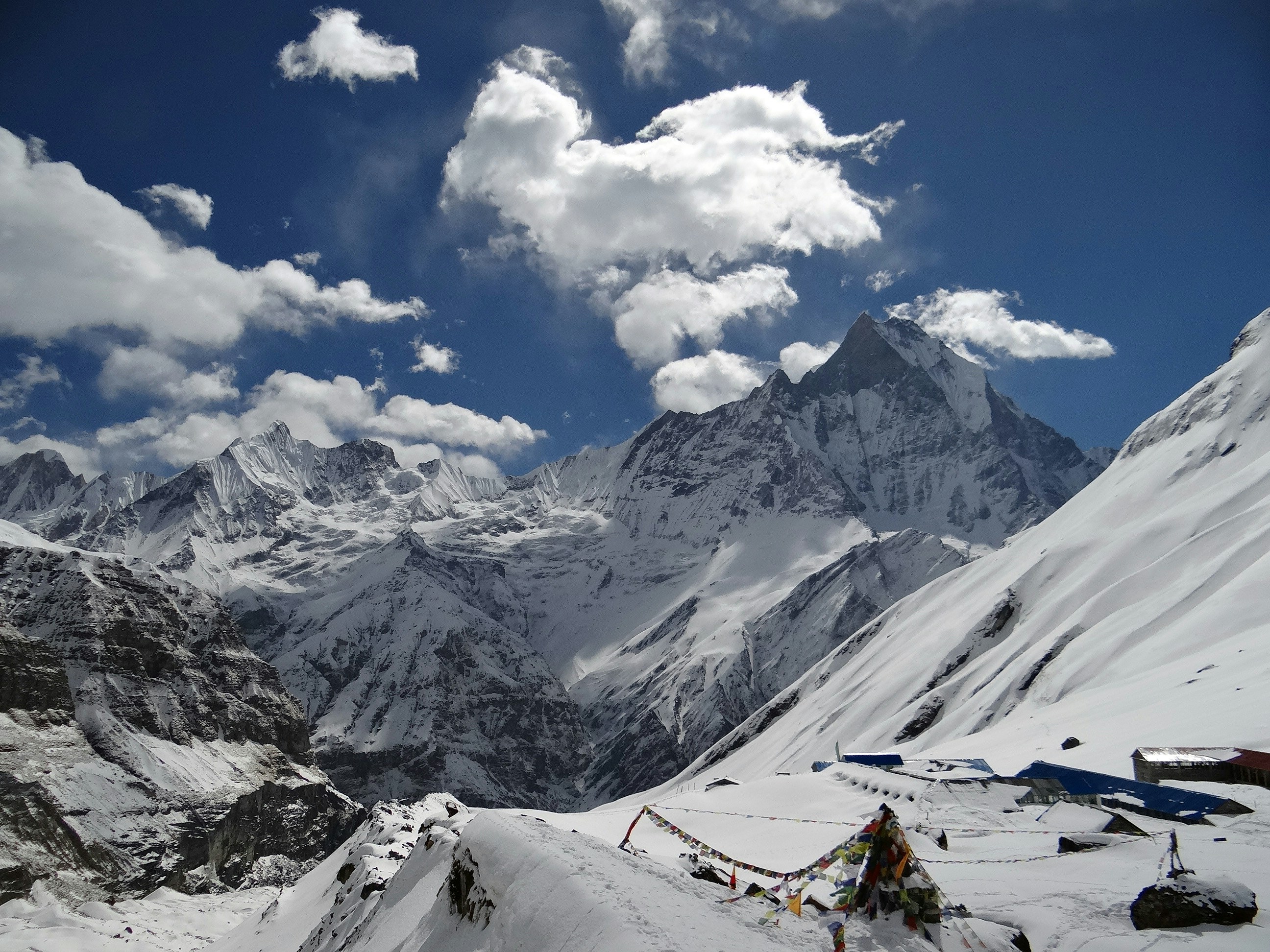
Annapurna Base Camp
4,130mAnnapurna Region
A dramatic amphitheatre at 4,130m ringed by eight peaks above 7,000m, including Annapurna I (8,091m). The 7-10 day trek from Pokhara passes through Modi Khola gorge, bamboo forests, and Gurung villages. More accessible than EBC but equally spectacular at the top.